The Tongue and Obstructive Sleep Apnea
Why the tongue's resting position and function can quietly drive snoring, sleep apnea, and disrupted breathing at night.
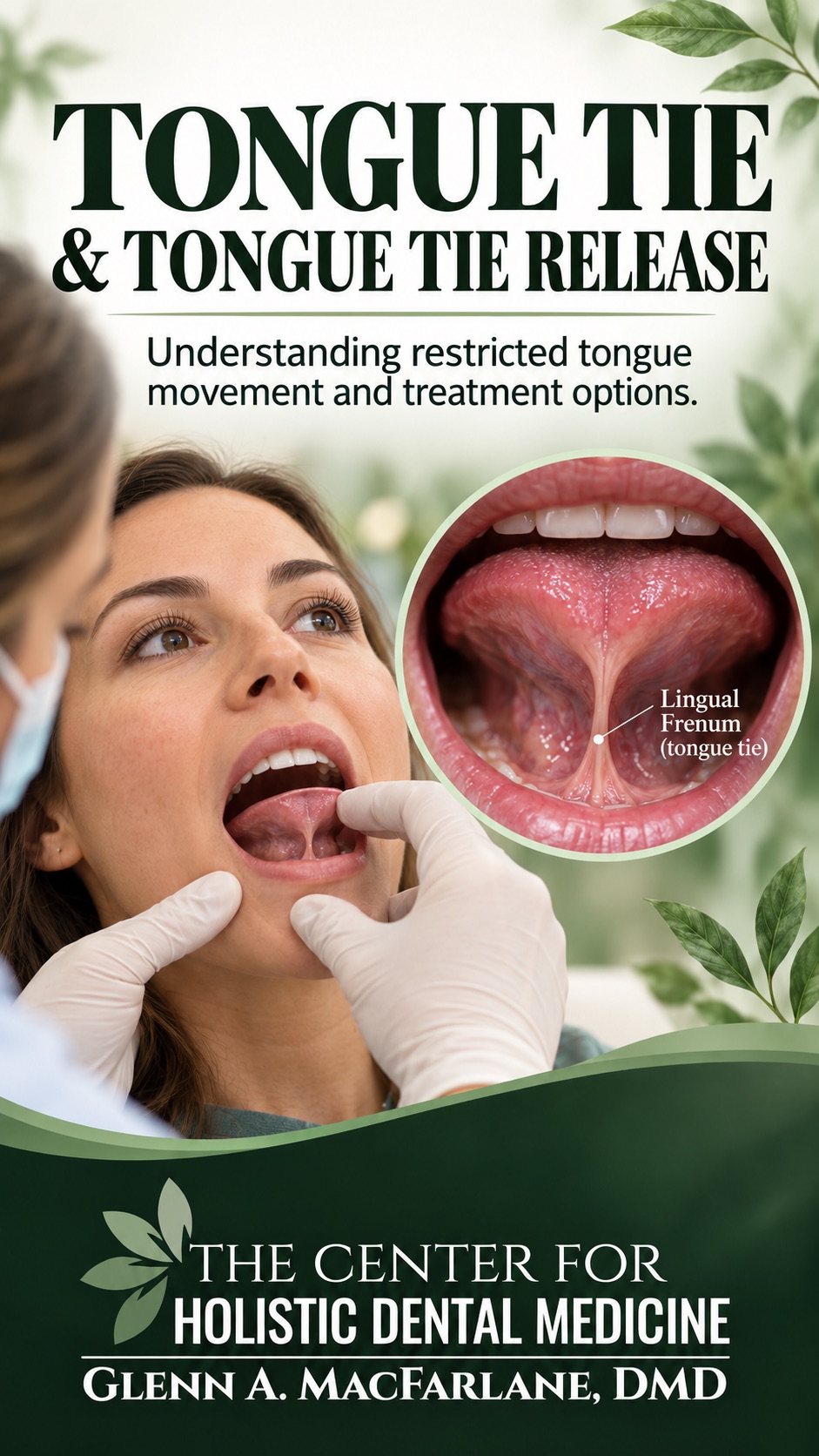
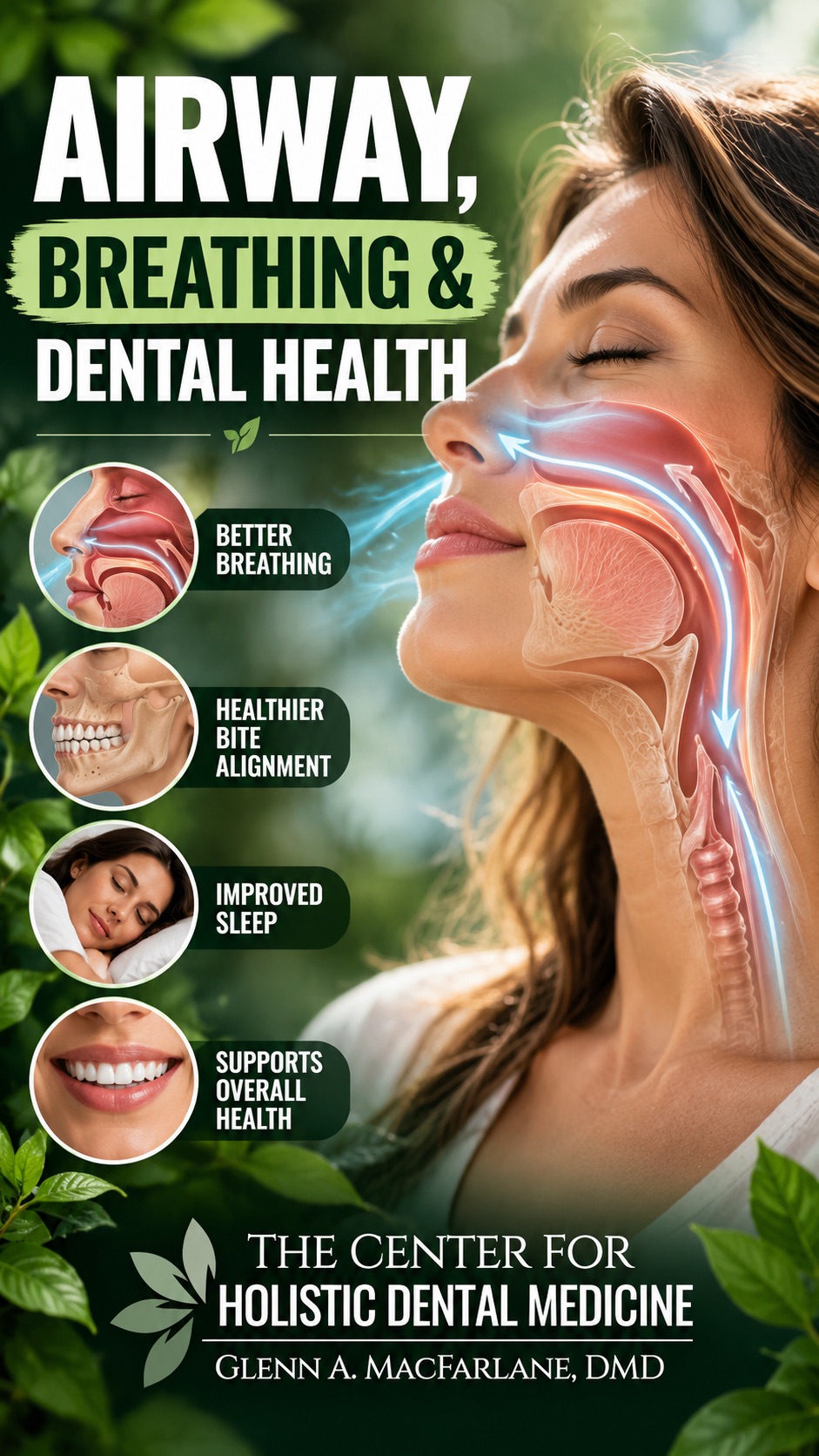
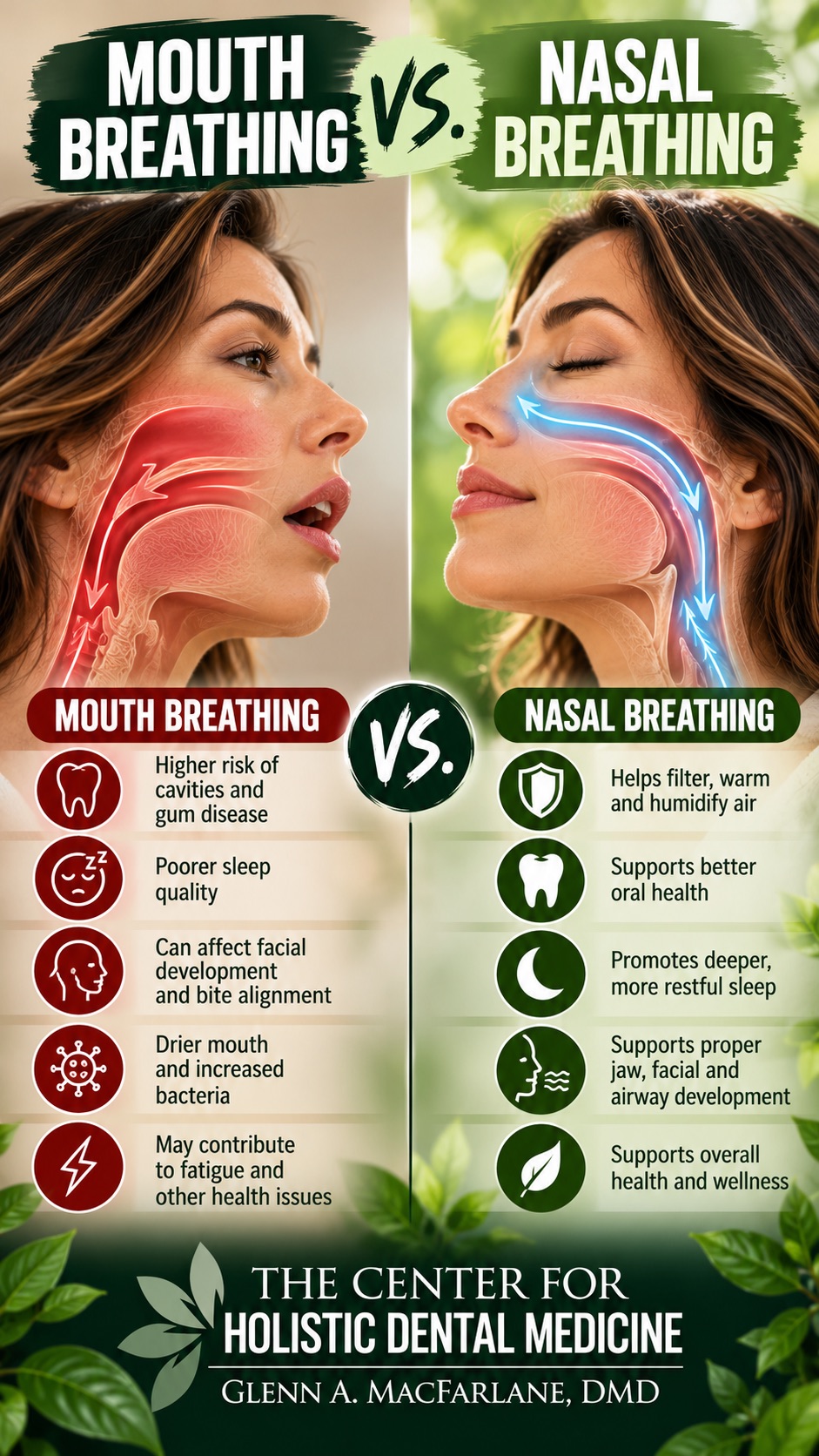
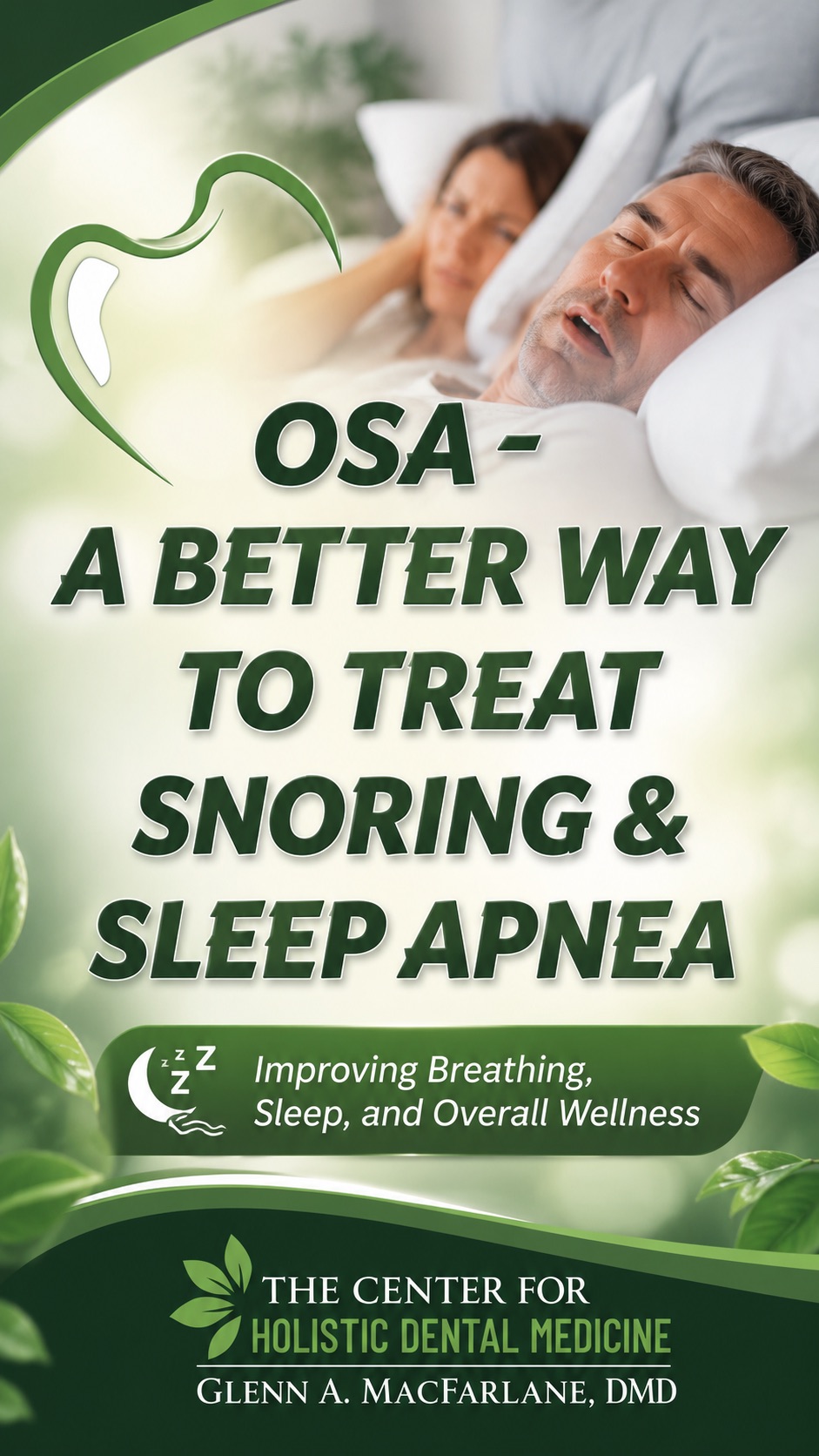
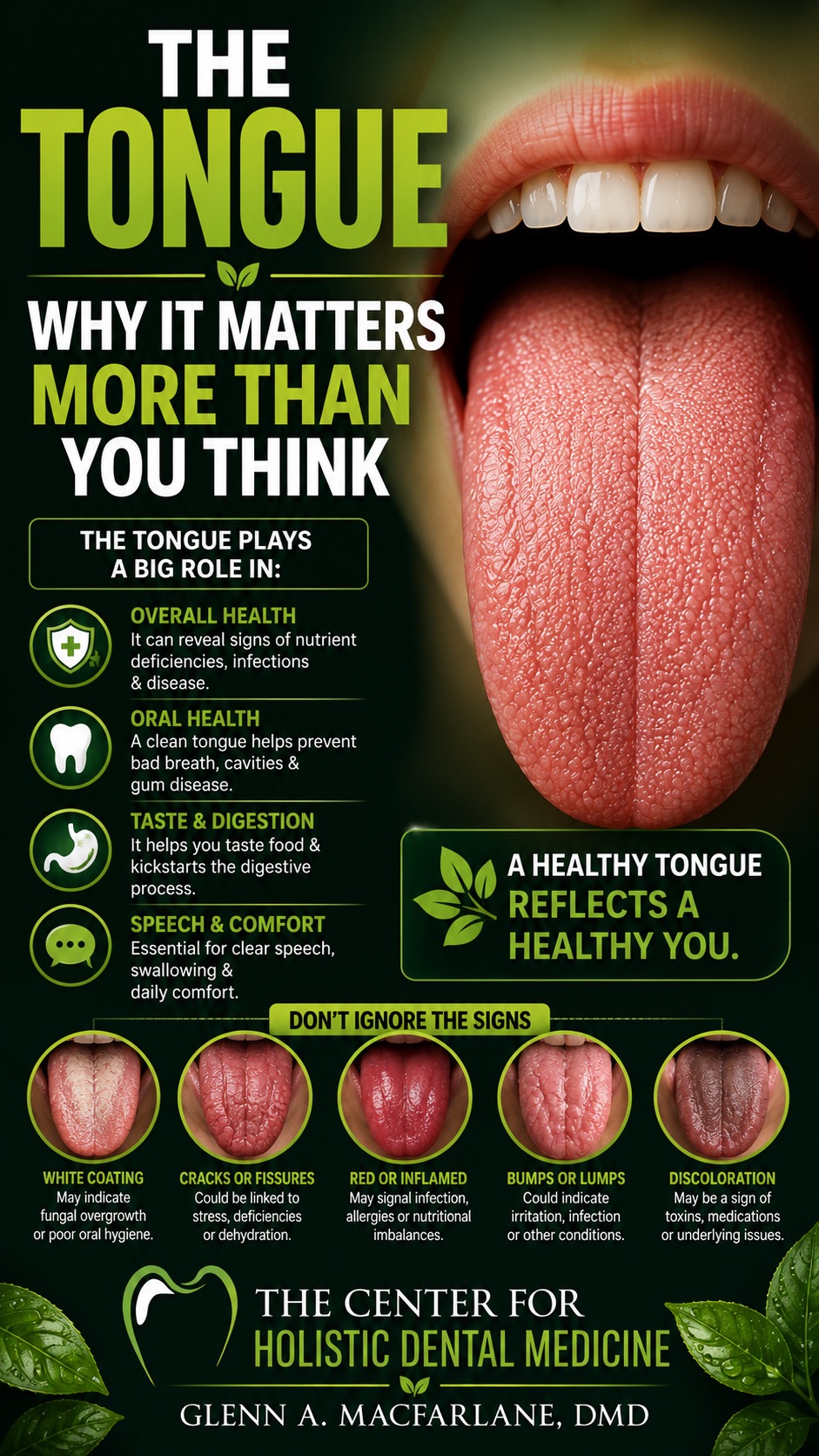
The tongue is one of the most important muscles in the body, yet its role in airway health is often overlooked. When functioning properly, it rests gently against the roof of the mouth, supporting breathing, facial development, and airway stability. When it sits low or doesn't function properly, it can contribute to mouth breathing, crowded teeth, jaw tension, and poor sleep. The tongue is also a major factor in obstructive sleep apnea. During sleep, muscle tone decreases and the tongue can collapse backward into the airway, restricting airflow and oxygen. We evaluate how the tongue, jaw, airway, and muscles work together to support proper function and long-term health.
Learn more about airway-focused holistic care at our Red Bank, NJ office.
Have questions about The Tongue and Obstructive Sleep Apnea? Schedule a consultation with Dr. Glenn MacFarlane.

Keep exploring
Related Videos
The Tongue and Obstructive Sleep Apnea Transcript
The tongue is one of the most important muscles in the body. Yet most people rarely think about the role it plays in overall health. We often associate the tongue with taste and speech.

But its function goes far beyond that. The tongue plays a critical role in chewing, swallowing, breathing, speech, jaw development, and maintaining a healthy airway. When functioning properly, the tongue should rest gently against the roof of the mouth.
This natural position helps support proper breathing patterns, healthy facial development, and airway stability. But when the tongue sits low in the mouth or does not function properly, it can contribute to a variety of issues including mouth breathing, crowded teeth, jaw tension, poor sleep quality, and airway dysfunction. The tongue is also a major contributing factor in obstructive sleep apnea.
During sleep, muscle tone naturally decreases. In some individuals, the tongue can collapse backward into the airway, partially blocking air flow and reducing oxygen levels throughout the night. This can lead to disrupted sleep, snoring, fatigue, and chronic stress on the body.
Because the tongue is directly connected to muscles throughout the head, neck, and airway, dysfunction in one area can influence the entire system. In holistic dental medicine, we evaluate how the tongue, jaw, airway, and muscles work together to support proper function and long-term health. Because healthy tongue function supports more than the mouth, it supports healthy breathing, better sleep, and overall wellness throughout the body.