Mouth Breathing vs. Nasal Breathing
Waking up with a dry mouth? How you breathe could be part of the reason, and it can affect your teeth and gums.
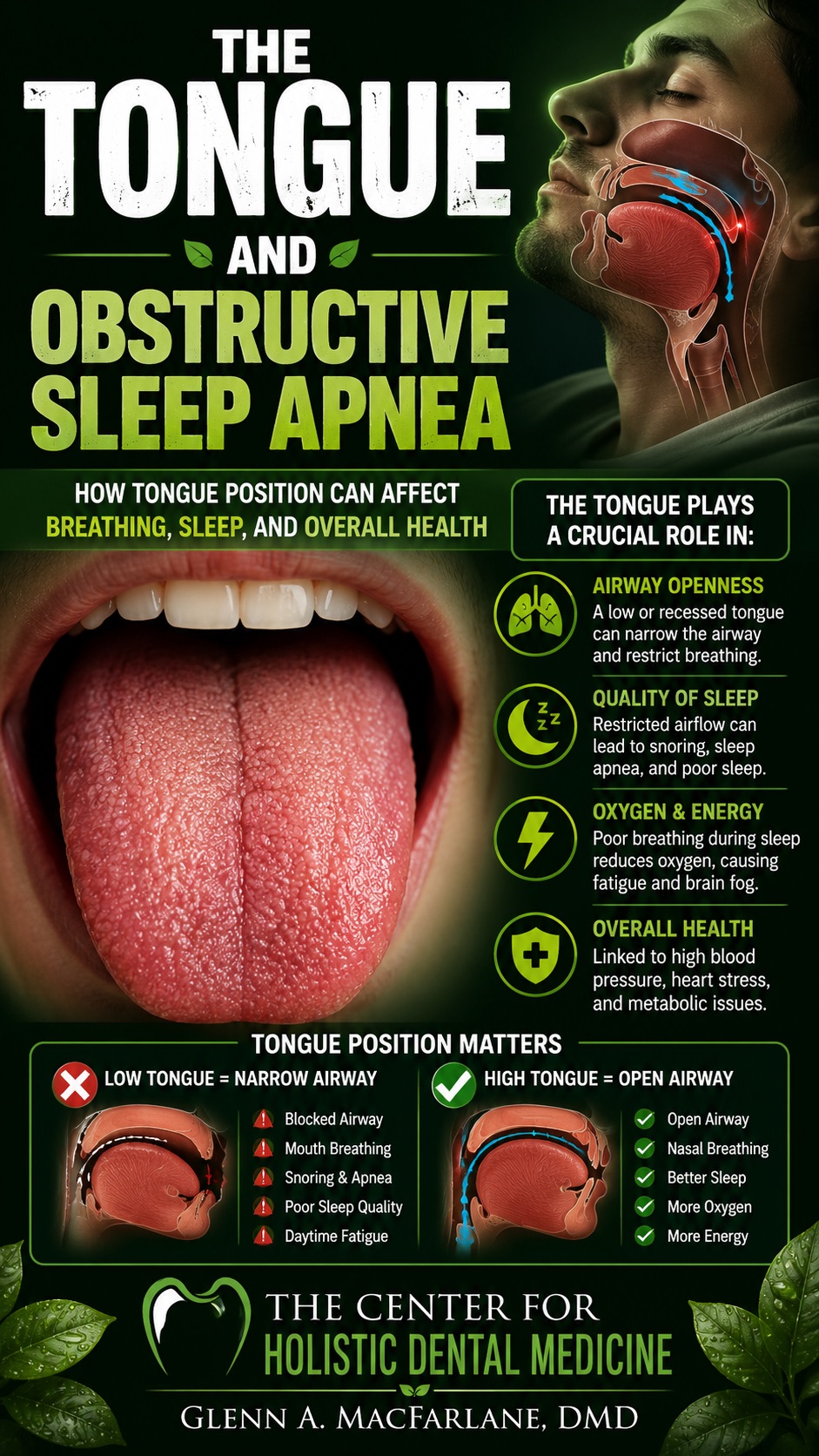
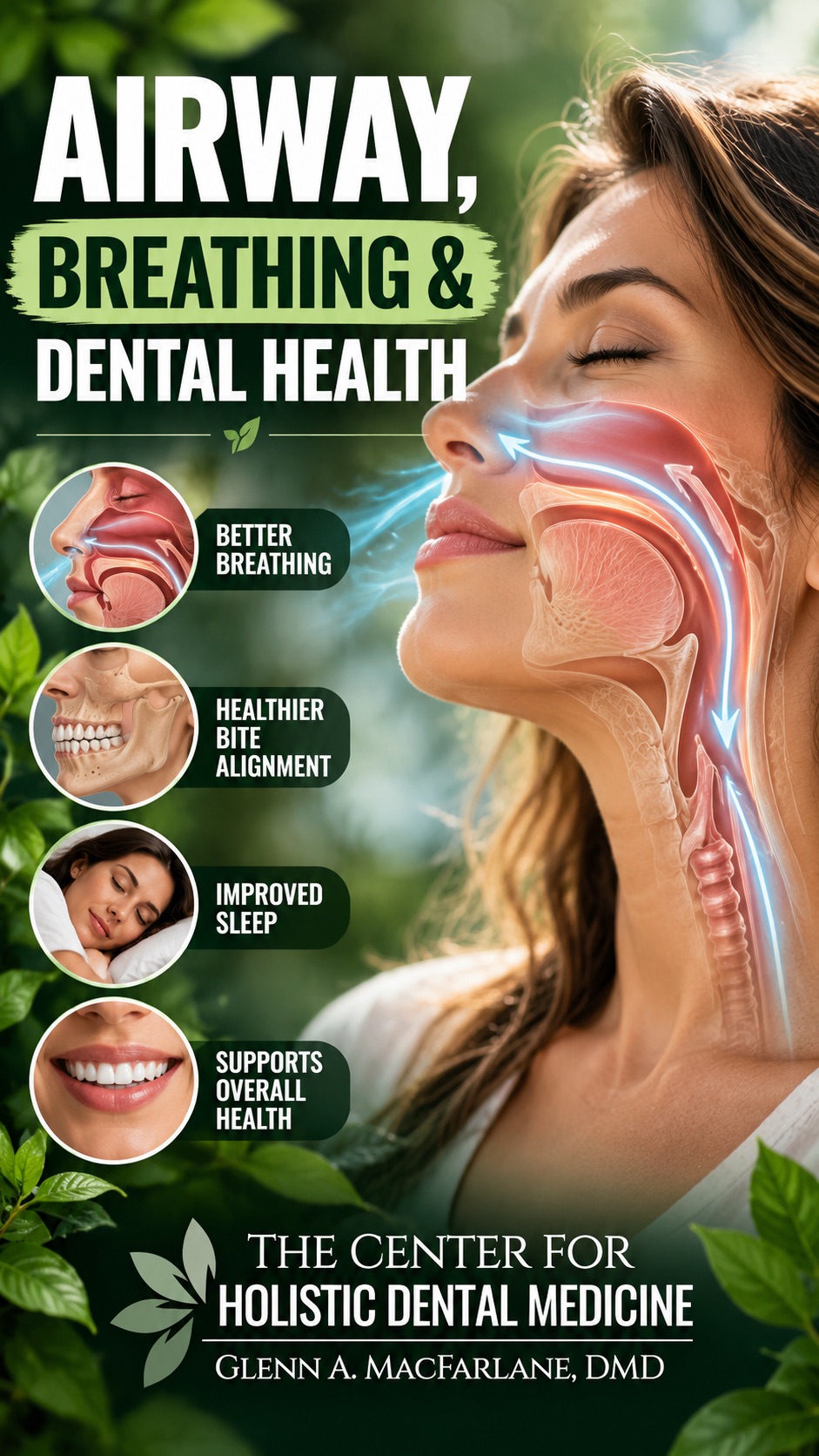
How you breathe could be part of the reason you wake up with a dry mouth, even after a full night's sleep. Your nose helps filter, warm, and humidify the air you breathe, while breathing through your mouth, especially during sleep, can dry your mouth out. Without enough saliva, you may be more vulnerable to bad breath, cavities, and gum irritation. Mouth breathing isn't always just a habit, since allergies, nasal congestion, and other airway issues can make nasal breathing difficult. Loud snoring, waking often, or feeling exhausted during the day deserve attention and may warrant a medical evaluation. We look for signs of dry mouth, examine your oral health, and ask about your sleep and breathing.
Learn more about airway-focused holistic care at our Red Bank, NJ office.
Have questions about Mouth Breathing vs. Nasal Breathing? Schedule a consultation with Dr. Glenn MacFarlane.
Keep exploring
Related Videos
Mouth Breathing vs. Nasal Breathing Transcript
Ever wake up with a dry mouth, even after a full night's sleep? How you breathe could be part of the reason. Your nose helps filter, warm, and humidify the air you breathe.
When you breathe through your mouth, especially during sleep, your mouth can dry out. And without enough saliva, you may be more vulnerable to bad breath, cavities, and gum irritation. But mouth breathing isn't always just a habit.
Allergies, nasal congestion, and other airway issues can make nasal breathing difficult. If you also snore loudly, wake frequently, or feel exhausted during the day, those symptoms deserve attention. They don't automatically mean sleep apnea, but they may warrant medical evaluation.
At the Center for Holistic Dental Medicine, we look for signs of dry mouth, examine your oral health, and ask questions about your sleep and breathing. We may also recommend speaking with a medical professional to investigate the cause. Breathing through your nose is generally preferable when your nasal passages are clear, but you should never force it when you can't breathe comfortably.
Because your mouth and your breathing are connected, and understanding both is part of caring for the whole person.