Menu

A patient's guide to seven dental terms

Holistic vs. Biological Dentistry: What's the Real Difference?

Many patients look for a holistic dentist when they want care that considers the whole body. Dr. Glenn A. MacFarlane practices that care as biological dentistry at The Center for Holistic Dental Medicine in Red Bank, NJ, and the two terms overlap a great deal.

Compare the seven terms

“We treat what needs to be treated, but we also ask why.”

Dr. Glenn A. MacFarlane Watch Dr. MacFarlane explain: Root Cause vs. Symptoms, The Core of Biological Dentistry
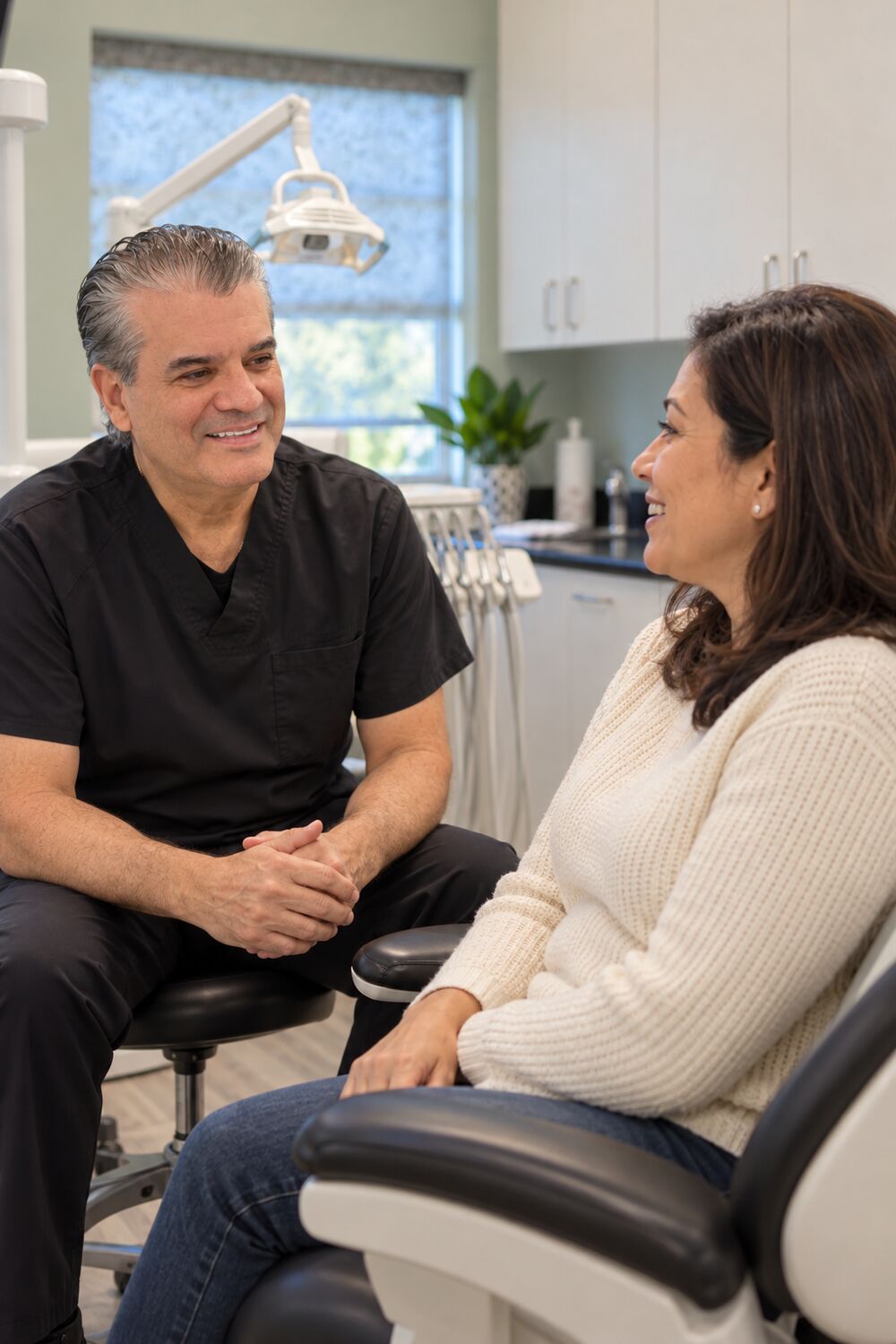
Dr. Glenn A. MacFarlane, in black scrubs, talking with a smiling patient seated in a treatment chair at his Red Bank office

What these words mean when you're in the chair

These seven terms overlap, and each one shows up in the care at our Red Bank office. That can mean screening materials before a filling, or removing old silver fillings under the SMART protocol.

Both share a whole-person perspective

Oral-systemic (systemic) dentistry

Laser gum treatment removes bacteria and infected tissue from the pockets around your teeth, where infection can enter your bloodstream.

Meaning
Oral-systemic dentistry looks at the two-way relationship between your mouth and the rest of your body. Research has linked gum disease with conditions such as heart disease and diabetes.
Explore care
Oral-systemic therapy for gum disease, infection and chronic inflammation

Integrative dentistry

Your routine cleaning uses fluoride-free polishing paste, and every visit keeps your whole-body wellness in mind.

Meaning
Integrative dentistry combines established dental care with a broader view of your lifestyle, diet and health history.
Explore care
Complete general and restorative dentistry, from fluoride-free cleanings to crowns and implants

Natural dentistry

During oral surgery, platelet-rich fibrin (PRF) made from your own blood is placed to support healing.

Meaning
At our office, natural dentistry describes gentle, minimally invasive care that supports the body's own healing and avoids unnecessary synthetic chemicals.
Explore care
Dental ozone, platelet-rich fibrin (PRF) from your own blood and natural, fluoride-free home-care products

Schedule a consultation with Dr. MacFarlane to talk through how a biological approach fits your care.

Biological care in practice

When a cavity needs a filling, Dr. MacFarlane repairs the tooth and also asks why the cavity developed.

Dry mouth, diet, oral bacteria or other factors may be contributing. Understanding them lets him plan care that is more personalized to you. Materials are part of the same conversation: he reviews the available options, including metal-free restorations, and discusses what suits your individual needs.

“Now, this doesn't mean conventional dentists ignore these connections. Many incorporate them into their care. The distinction is the particular emphasis biological dentistry places on the bigger picture.”

Dr. Glenn A. MacFarlane, Biological vs. Conventional Dentistry
Dr. MacFarlane points to a hand mirror as a patient in the dental chair looks at his own teeth

Frequently Asked Questions

The two terms overlap a great deal. Holistic describes the broad, whole-person philosophy of care, while biological puts the emphasis on how dental materials and procedures affect your entire body. Dr. MacFarlane practices both and describes his clinical approach as biological dentistry. See the seven terms compared.

Yes. Biological dentistry provides many of the same treatments as conventional dentistry, including cleanings, fillings, crowns and implants. The difference is the particular emphasis on the bigger picture, including the materials chosen and how each treatment relates to your overall health.

No. Anyone who wants materials and products chosen with their whole body in mind can choose biological dentistry for routine care. Patients with metal sensitivities or allergies often choose metal-free options such as zirconia ceramic implants.

Yes, when it is done with the SMART protocol. Silver amalgam fillings contain up to 50% mercury, so Dr. MacFarlane removes them using protective barriers, specialized suction and air filtration to reduce mercury vapor exposure. The tooth is then restored with biocompatible, mercury-free, BPA-free materials, typically a tooth-colored composite filling, or a ceramic inlay, onlay or crown for larger restorations.

SMART stands for Safe Mercury Amalgam Removal Technique, a protocol developed by the International Academy of Oral Medicine and Toxicology (IAOMT). Dr. MacFarlane is SMART-certified through the IAOMT, and our office follows the protocol to protect you during every amalgam removal.

It starts with a simple blood draw at our office. A specialized laboratory tests your sample against a panel of dental materials and reports which ones are reactive or non-reactive for your body. Dr. MacFarlane then uses the results to guide which materials he chooses for you. Learn more about biocompatibility testing.

Zirconia implants are metal-free, made from a white ceramic that is biocompatible and corrosion-resistant. Titanium implants are metal and can sometimes cause allergic reactions, galvanic currents or gray discoloration through the gums. Dr. MacFarlane places zirconia (ceramic) implants for every implant case.

Dental ozone is a special form of oxygen that helps eliminate bacteria, fungi and viruses. Dr. MacFarlane uses ozone therapy for gum disease, tooth decay, canker sores, cold sores and oral infections, and to support healing after extractions and implant procedures. The ozone application itself is painless and does not require anesthesia.

Yes. The polishing pastes used during your cleaning contain no fluoride, flavorings, oils or dyes. We also encourage fluoride-free toothpaste at home and are happy to recommend holistic products for your routine.

Gum disease creates chronic inflammation and can let harmful bacteria enter the bloodstream through infected gum tissue. Research has linked gum disease with conditions such as heart disease and diabetes, and diabetes can in turn make gum infections harder to control. Oral-systemic therapy addresses both sides of that connection.
A patient holding a warm drink relaxes in a navy armchair in the welcome area of The Center for Holistic Dental Medicine, with the practice sign on the stone wall behind the front desk

See how biological dentistry can support your whole‑body health

Schedule a visit with Dr. Glenn A. MacFarlane at The Center for Holistic Dental Medicine, 211 Broad Street, Suite 106, Red Bank, NJ.